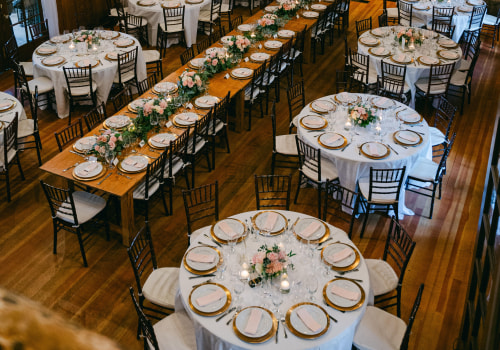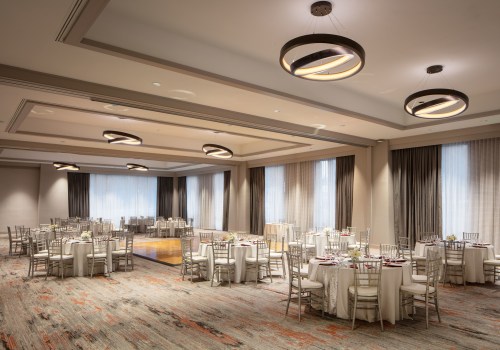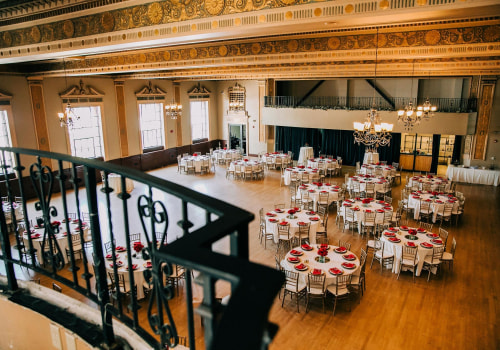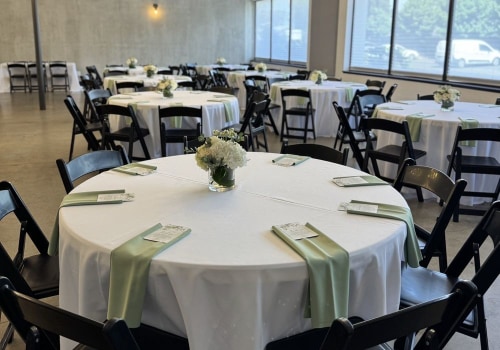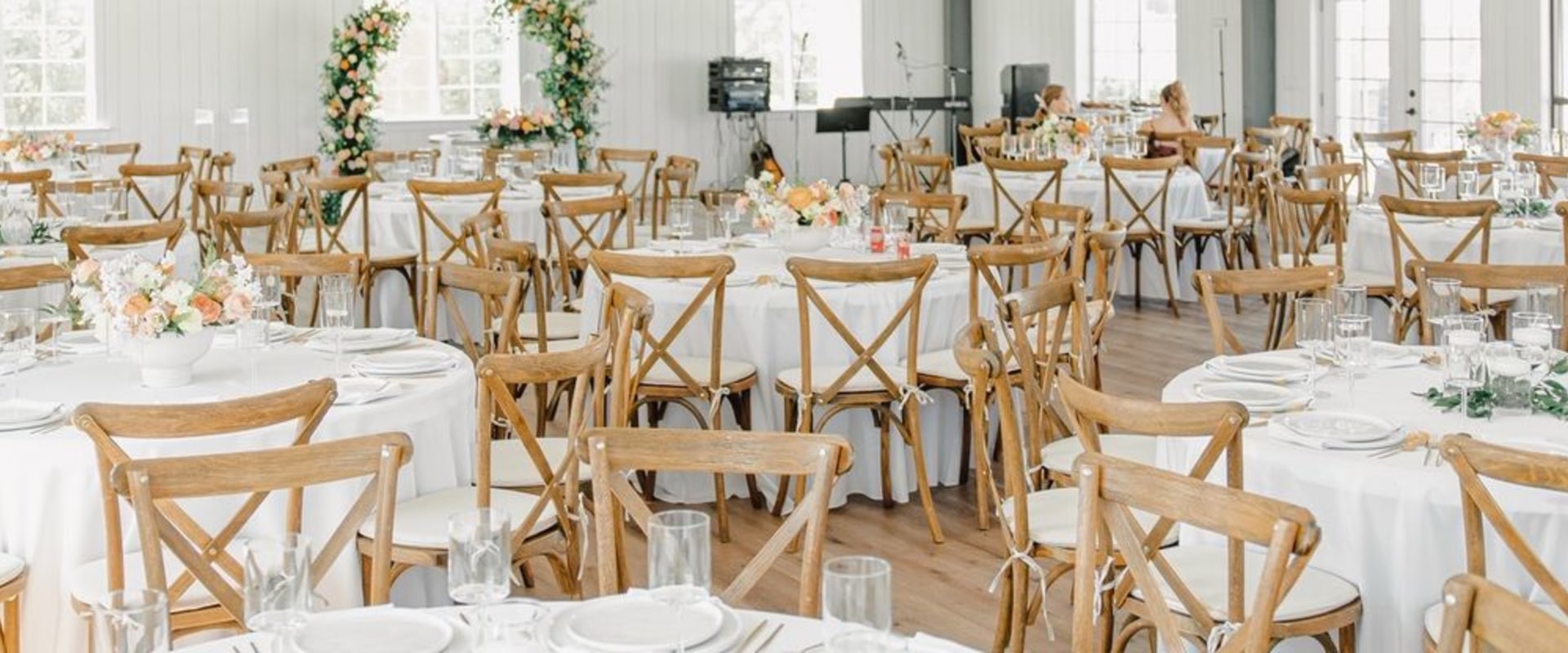
When it comes to organizing memorable events, the choice of venue plays a pivotal role in shaping the overall experience.
Event halls in Sacramento, California
offer a wide variety of options, each with its unique charm and amenities. From grand ballrooms that exude elegance to versatile conference spaces equipped with modern technology, Sacramento's event halls cater to diverse needs, whether for weddings, corporate functions, or community gatherings. However, one critical aspect that often goes unnoticed during the planning phase is the importance of understanding the noise policies associated with these venues.Noise policies are not merely bureaucratic red tape; they are essential guidelines designed to ensure that events can be enjoyed without disturbing the surrounding community.Sacramento has specific regulations that govern acceptable noise levels, particularly in residential areas where excessive sound can lead to complaints and potential fines. As an event planner or organizer, being aware of these policies is crucial for maintaining a harmonious relationship with both your guests and the local community. It allows you to create an atmosphere that aligns with your event's goals while respecting the peace of nearby residents.Moreover, understanding noise policies can significantly influence your event planning decisions. For instance, if you envision a lively celebration complete with music and dancing, knowing the venue's sound restrictions will help you tailor your entertainment choices accordingly.
Conversely, if your event is more subdued—such as a business meeting or seminar—being aware of noise limitations can help you select appropriate venues that facilitate focused discussions without interruptions. In this article, we will explore the intricacies of noise policies at event halls in Sacramento and provide valuable insights into how you can navigate these regulations effectively for a successful event.
Types of Event Halls in Sacramento
When it comes to planning an event in Sacramento, California, the choice of venue plays a pivotal role in shaping the overall experience. The city boasts a variety of event halls, each catering to different types of gatherings and preferences. Understanding the distinct categories of event halls in Sacramento can help you make an informed decision that aligns with your specific needs.- Convention Centers: These expansive venues are designed to accommodate large-scale events such as trade shows, conferences, and exhibitions.
Convention centers in Sacramento often feature state-of-the-art facilities, including multiple meeting rooms, exhibition spaces, and advanced audio-visual equipment. They are ideal for organizations looking to host significant gatherings that require ample space and professional amenities.
- Banquet Halls: Perfect for formal occasions like weddings, anniversaries, and corporate dinners, banquet halls offer a blend of elegance and functionality. Many of these venues come equipped with catering services, allowing for a seamless dining experience. The decor is often customizable, enabling hosts to create a unique atmosphere that reflects their personal style or theme.
- Community Centers: For those on a budget or planning smaller gatherings, community centers provide an affordable option without compromising on quality.
These venues are suitable for local events such as birthday parties, family reunions, or workshops. They typically offer flexible spaces that can be adapted to various activities and group sizes.
- Theaters: If your event involves performances or presentations, theaters in Sacramento offer a unique ambiance with tiered seating and stage facilities. These venues are perfect for concerts, plays, or film screenings, providing an engaging experience for attendees. The acoustics in theaters are often optimized for sound quality, making them an excellent choice for live entertainment.
When selecting a venue, consider not only the type of event you are hosting but also the specific amenities that will enhance your guests' experience. By understanding the diverse options available, you can choose the perfect venue that meets your requirements and sets the stage for a memorable event.
Capacity Considerations for Event Halls
When planning an event, one of the most critical factors to consider is the capacity of the venue. Event halls in Sacramento, California, come in various sizes, each designed to accommodate different types of gatherings. Understanding the capacity limits of these venues is essential for ensuring that your event runs smoothly and comfortably.Event halls can generally be categorized into three main types based on their capacity:- Small Halls: These venues typically accommodate between 50 to 100 guests.
They are ideal for intimate gatherings such as small weddings, birthday parties, or corporate meetings. The cozy atmosphere of small halls allows for personal interactions and a more engaging experience for attendees.
- Medium Halls: With a capacity ranging from 100 to 300 guests, medium halls are versatile spaces suitable for mid-sized events like family reunions, workshops, or larger corporate functions. These venues often provide a balance between intimacy and the ability to host a more significant number of attendees.
- Large Halls: Designed to host 300 or more guests, large halls are perfect for grand events such as weddings, conventions, or large-scale conferences. These venues often come equipped with extensive amenities and flexible layouts to accommodate various setups, including banquet-style seating or theater arrangements.
Here are some factors to keep in mind:
- Guest Comfort: Ensure that the venue can comfortably accommodate your guests without feeling overcrowded. A space that is too small can lead to discomfort and hinder interaction among attendees.
- Layout Flexibility: Different events may require different seating arrangements. Choose a venue that offers flexible layout options to suit your specific needs.
- Amenities: Consider what additional features the venue provides, such as audio-visual equipment, catering services, and parking facilities. These can significantly enhance the overall experience for your guests.
By carefully evaluating your guest list and selecting an appropriate venue size, you can create an enjoyable atmosphere that meets the needs of all attendees.
Understanding Noise Policies: An Overview
When organizing events at event halls in Sacramento, California, understanding the intricacies of noise policies is vital. These regulations are not merely bureaucratic hurdles; they serve a significant purpose in maintaining the quality of life for residents living near event venues. Noise policies help to strike a balance between hosting vibrant gatherings and respecting the peace of the surrounding community.In Sacramento, local noise regulations are primarily governed by the Sacramento City Code, which outlines permissible sound levels based on various factors, including the time of day and the type of event being held. For instance, during daytime hours, venues may be allowed to operate at higher decibel levels compared to evening or nighttime events, which are subject to stricter limitations.This is particularly important for events that extend into late hours, as exceeding these limits can lead to fines or even the cancellation of the event.Here are some general guidelines that event halls in Sacramento may follow regarding noise policies:
- Permitted Noise Levels: Each venue typically has a maximum allowable decibel level that must be adhered to. For many event halls, this limit hovers around 85 dB, which is considered safe for both attendees and nearby residents.
- Time Restrictions: Most venues enforce specific quiet hours during which noise must be minimized. Commonly, music and amplified sounds may need to cease by 10 PM on weekdays and 11 PM on weekends.
- Sound Equipment Compliance: Event organizers should ensure that any sound equipment used complies with local regulations. This may include using sound systems designed to minimize noise pollution.
- Communication with Neighbors: It is advisable for event planners to inform nearby residents about upcoming events in advance.
This proactive approach can foster goodwill and reduce potential complaints.
Local Regulations Affecting Noise Levels at Events
When organizing events at event halls in Sacramento, California, it is essential to understand the local regulations that govern noise levels. These regulations are designed to balance the vibrancy of events with the need to maintain peace in residential neighborhoods. The Sacramento City Code outlines specific noise control measures that event planners must adhere to, ensuring compliance and fostering good relations with the community.One of the primary components of the Sacramento City Code is the establishment of permissible noise levels, which vary depending on the time of day and the nature of the event.For instance, during daytime hours, events may be allowed higher decibel levels, while evening and nighttime gatherings face stricter limitations. This is particularly relevant for events that extend into late hours, as exceeding these limits can lead to fines or even cancellation of the event.To navigate these regulations effectively, event organizers should consider the following key aspects:
- Permitted Noise Levels: Familiarize yourself with the maximum allowable decibel levels for your specific event type and location. This information can typically be obtained from the venue management or local authorities.
- Time Restrictions: Be aware of designated quiet hours during which noise levels must be reduced. Many venues enforce a policy requiring that amplified sound be minimized after 10 PM on weekdays and 11 PM on weekends.
- Special Permits: For events expected to generate significant noise, such as concerts or large gatherings, obtaining a special permit may be necessary.
This process often involves notifying nearby residents and may include stipulations like limiting amplified sound systems or implementing sound barriers.
Common Noise Restrictions at Event Halls
When organizing events at event halls in Sacramento, California, understanding the common noise restrictions is vital for ensuring a successful gathering.These restrictions are designed to maintain a balance between hosting lively events and respecting the peace of surrounding neighborhoods. Below are some key aspects of noise regulations that event planners should be aware of.
Sound Level Limits
Most venues in Sacramento impose specific sound level limits to prevent excessive noise that could disturb nearby residents. Typically, these limits are measured in decibels (dB). For instance, many event halls set a maximum sound level of around 85 dB during events.This threshold is established to ensure that the noise generated does not violate local ordinances or create discomfort for attendees and neighbors alike.It’s important to note that sound levels can vary based on the type of event being held. For example, a wedding reception may have different sound requirements compared to a corporate seminar. Therefore, it is advisable to consult with the venue management regarding their specific sound level policies.
Quiet Hours Policy
In addition to sound level limits, many event halls enforce quiet hours. These designated times require that noise levels be significantly reduced to minimize disturbances during late-night hours.Commonly, venues may require that music and other loud activities cease by:
- 10 PM on weekdays
- 11 PM on weekends
Examples of Venue Policies
Different venues may have unique policies regarding noise restrictions:- The Sacramento Convention Center: Enforces a strict 85 dB limit and has quiet hours starting at 10 PM.
- The Crest Theatre: Allows amplified music but requires it to be reduced after 9 PM.
- The Sutter Club: Prohibits outdoor music after 8 PM to respect nearby residents.
Best Practices for Managing Noise at Events
Effectively managing noise during events at event halls in Sacramento, California is essential for creating a positive atmosphere while adhering to local regulations. Here are some best practices to consider when planning your event:- Understand Local Noise Ordinances: Familiarize yourself with Sacramento's noise regulations, which include specific decibel limits and designated quiet hours.
Knowing these guidelines will help you plan your event to avoid potential fines or disruptions.
- Select Appropriate Venues: Choose venues that are designed with sound management in mind. Look for event halls in Sacramento that feature soundproofing or are located away from residential areas to minimize the risk of noise complaints.
- Invest in Quality Sound Equipment: Utilize high-quality sound systems that allow for better control over volume levels. This investment can help maintain an enjoyable atmosphere without exceeding noise limits.
- Implement Sound Management Strategies: Consider using directional speakers that focus sound towards the audience rather than dispersing it widely. This approach can significantly reduce noise pollution in surrounding areas.
- Schedule Wisely: Plan your event during times that are less likely to disturb the community.
Evening events may require stricter noise management compared to daytime gatherings, so be mindful of local quiet hours.
- Communicate with Attendees: Inform guests about the importance of keeping noise levels down, especially during sensitive times. Clear signage and announcements can reinforce this message and encourage cooperation.
- Monitor Noise Levels: Use sound level meters to keep track of decibel levels throughout the event. This proactive approach allows for immediate adjustments if noise exceeds acceptable limits, ensuring compliance with local regulations.
FAQs About Noise Policies at Event Halls in Sacramento
When planning an event at event halls in Sacramento, California, understanding the noise policies is essential for a successful gathering.Below are some frequently asked questions that address common concerns regarding noise regulations and their implications for event planners.
What are the general noise regulations for event halls in Sacramento?
Most event halls in Sacramento adhere to local noise ordinances that dictate acceptable sound levels during specific hours. These regulations are designed to minimize disturbances to nearby residents and businesses. It’s crucial to check with the venue for their specific policies, as they may have additional restrictions beyond city guidelines.Are there specific hours when noise levels must be reduced?
Yes, many venues enforce designated quiet hours during which noise levels must be kept to a minimum. Typically, these restrictions begin around 10 PM on weekdays and 11 PM on weekends.Always confirm with the event hall about their specific cut-off times to avoid any potential fines or disruptions.
Can I have live music or a DJ at my event?
Most event halls in Sacramento allow live music or DJs, but they often require adherence to certain volume limits. It’s advisable to discuss your entertainment plans with the venue management beforehand to ensure compliance with their noise policy and avoid any last-minute issues.What happens if we exceed the noise limits?
If your event exceeds the allowed noise levels, you may receive a warning from local authorities or venue staff. Continued violations can lead to fines or even the premature end of your event. To mitigate this risk, consider hiring a professional sound engineer who can help manage volume levels effectively throughout your gathering.Are there any exceptions to the noise policies?
Some venues may have special permits that allow for extended hours or higher volume levels for specific events, such as festivals or large celebrations.Always inquire about these possibilities when booking your event hall, as they can provide flexibility in your planning.By understanding these common concerns and clarifying the noise policies, you can ensure a smooth and enjoyable experience at your chosen venue in Sacramento.
Conclusion: Key Takeaways on Noise Policies for Events in Sacramento
In summary, understanding the noise policies associated with event halls in Sacramento, California is essential for anyone planning an event. These regulations are not merely bureaucratic hurdles; they play a vital role in ensuring that events can be enjoyed by attendees while also respecting the peace and comfort of the surrounding community.Here are some key takeaways to keep in mind:- Local Regulations Matter: Each venue is subject to specific local noise ordinances that dictate acceptable sound levels during events. Familiarizing yourself with these regulations is crucial to avoid potential fines or disruptions.
- Time Restrictions Are Critical: Many venues impose strict time restrictions on noise levels, especially during late-night events. Understanding these limitations will help you schedule entertainment and activities appropriately, ensuring compliance with local laws.
- Venue-Specific Policies Vary: Each event hall may have its own unique noise policy, which can differ significantly from one venue to another.
It is advisable to consult with venue management to clarify any specific rules regarding sound equipment and volume levels.
- Consideration for Neighbors: A common theme in noise policies is the consideration for nearby residents. Event planners should proactively communicate with neighbors and take steps to minimize disturbances, fostering goodwill and reducing complaints.
- Permits and Licenses May Be Required: Certain events that exceed standard noise levels may require special permits. Ensuring that all necessary documentation is in place can prevent last-minute complications and ensure a smoother event experience.
Ultimately, a successful event hinges on careful planning and adherence to local regulations, allowing everyone involved to celebrate without concern.